
Introduction
Manufacturing operations involve multiple interconnected processes that must function together efficiently to maintain stable production and operational clarity.
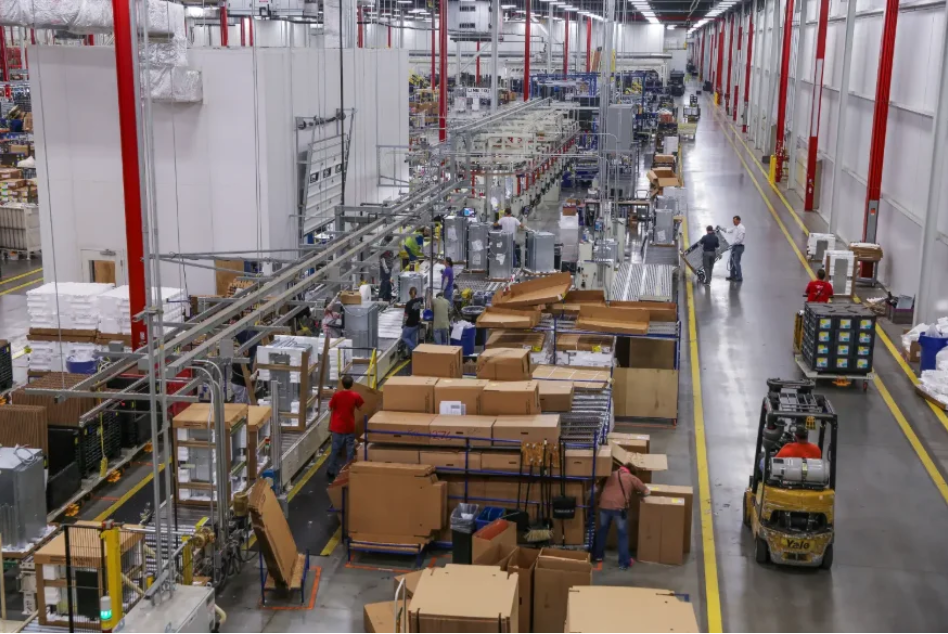
Factories typically manage several operational layers simultaneously, including:
• Production scheduling
• Order management
• Labour coordination
• Raw material tracking
• Machine monitoring
• Cost allocation
• Vendor price fluctuations
• Cash flow visibility
• Scrap and waste management
When these activities are tracked through separate spreadsheets, registers, or disconnected tools, it can become difficult for business owners and managers to maintain a clear overview of factory operations.
Small operational issues such as delayed orders, material shortages, unexpected machine downtime, or cost fluctuations may remain unnoticed until they affect production performance.
The Manufacturing King Cloud Software is designed as a centralized operational monitoring platform for manufacturing environments. The system organizes production activities, material tracking, labour monitoring, machine status, cost allocation, and operational analytics into a single structured dashboard.
Rather than relying on manual records or scattered digital tools, the software provides a centralized interface where manufacturing teams can track operational data in an organized format.
This review explores the key operational modules of the platform and how they support manufacturing monitoring and operational visibility.
It is important to clarify that the software functions as a monitoring and documentation tool. It does not promise profit outcomes or financial performance guarantees.
1. Centralized Manufacturing Dashboard
The system provides a centralized dashboard designed to present key operational indicators across the factory environment.
Typical indicators displayed include:
• Production progress
• Order delay alerts
• Material shortage warnings
• Machine utilization monitoring
• Labour productivity visibility
• Production profit indicators
This dashboard provides a high-level overview of daily manufacturing activity.
For factory managers and business owners, the dashboard serves as a quick operational snapshot that summarizes the current state of production activities.
The goal of the dashboard is operational visibility rather than performance prediction.
2. Production Entry & Daily Output Tracking
Production monitoring is a fundamental part of factory management.
The Production Entry module allows manufacturing teams to record daily production activity in a structured format.
Typical production records include:
• Production date
• Target production units
• Produced units
• Scrap units
• Completion percentage
This structured entry system helps manufacturing teams maintain consistent production documentation.
By reviewing daily production records, factory supervisors can monitor output levels and compare production performance against targets.
It is important to note that production tracking improves documentation and visibility but does not guarantee production optimization.
3. Orders Control & Delivery Monitoring
Manufacturing businesses often manage multiple customer orders with varying delivery timelines.
The Orders Control module allows factories to monitor order status and delivery commitments through a centralized interface.
Typical order tracking records include:
• Order name or reference
• Order quantity
• Delivery due date
• Order status
• Operational actions
This structured order tracking system helps businesses monitor pending orders and identify delivery timelines that require attention.
By maintaining centralized order records, production planning teams can better align manufacturing output with delivery commitments.
The module functions as an operational tracking tool rather than a logistics optimization platform.
4. Labour Attendance & Workforce Productivity
Labour coordination plays a critical role in manufacturing productivity.
The Labour Attendance module records workforce presence and helps monitor daily labour participation.
Typical attendance records include:
• Date of attendance
• Number of workers present
• Number of workers absent
• Units produced
• Labour cost allocation
By maintaining structured attendance records, manufacturing teams can better understand workforce participation patterns.
The system may also help managers review labour productivity trends when combined with production output data.
However, labour monitoring systems support documentation rather than workforce performance guarantees.
5. Materials Stock & Inventory Monitoring
Raw material availability is essential for uninterrupted manufacturing operations.
The Materials Stock module allows factories to track inventory levels and consumption rates.
Typical inventory records include:
• Material name
• Current stock quantity
• Minimum stock level
• Daily consumption rate
• Estimated days of stock remaining
This structured inventory monitoring system helps identify potential material shortages early.
Low stock alerts may prompt procurement teams to review purchasing requirements.
Inventory monitoring tools improve operational visibility but do not eliminate supply chain risks.
6. Machine Monitoring & Equipment Status
Machine performance directly affects production efficiency.
The Machine Monitor module provides a structured overview of equipment status across the factory floor.
Typical machine records include:
• Machine name
• Operational status (running, idle, maintenance)
• Running hours during the day
By tracking machine activity, factories can review equipment utilization patterns and identify machines that may require maintenance or inspection.
Machine monitoring supports operational awareness but does not replace technical maintenance systems.
7. Production Cost Tracking
Manufacturing costs typically consist of multiple components.
The Production Costs module allows businesses to record and analyze cost allocation across production activities.
Typical cost records include:
• Material cost
• Labour cost
• Machine cost
• Overhead cost
• Total production cost
Structured cost tracking allows manufacturing teams to review how different cost components contribute to overall production expenses.
These records may support internal financial analysis and operational reporting.
However, the software does not provide financial advisory services or cost reduction guarantees.
8. Vendor Price Tracker
Raw material prices often fluctuate based on market conditions and supplier negotiations.
The Vendor Price Tracker module helps factories maintain historical records of vendor price changes.
Typical records include:
• Material name
• Vendor name
• Previous price
• Current price
• Percentage price change
By maintaining vendor price history, procurement teams can review price trends and monitor supplier pricing adjustments.
This module improves procurement documentation and price transparency.
It does not function as a commodity market forecasting tool.
9. Cashflow Monitoring
Manufacturing businesses must continuously manage operational cash movement related to production, inventory, receivables, and supplier payments.
The Cashflow Monitor module provides an overview of financial flow indicators.
Typical cashflow records may include:
• Inventory value
• Production value
• Receivable amounts
• Payable amounts
• Net cashflow indicators
This overview helps businesses review operational financial exposure across inventory and working capital.
Cashflow dashboards provide financial visibility but do not offer investment advice or financial planning services.
10. Scrap & Waste Monitoring
Manufacturing processes may generate scrap or production waste.
The Scrap & Waste Monitor module records waste-related production data.
Typical scrap records include:
• Production date
• Target production units
• Actual produced units
• Scrap units
• Scrap percentage
Monitoring scrap rates can help manufacturing teams analyze production efficiency patterns.
This module functions as an analytical monitoring tool rather than a waste reduction guarantee system.
Who Manufacturing King Cloud Software Is Designed For
The platform may be suitable for:
• Small and medium manufacturing businesses
• Factory owners seeking operational visibility
• Production supervisors managing daily output
• Manufacturing operations managers
• Procurement teams monitoring supplier prices
• Businesses tracking production costs and inventory
The software is designed to centralize operational monitoring rather than replace enterprise-scale ERP platforms.
Important Clarification
Manufacturing King Cloud Software is:
• A manufacturing monitoring platform
• A production tracking system
• An operational dashboard for factory activities
• A cost documentation and analysis tool
• A manufacturing data organization system
It is NOT:
• An investment platform
• A guaranteed profit system
• A financial advisory service
• A revenue prediction tool
• A return-on-investment scheme
Operational results depend on business decisions and management practices.
Final Evaluation
Manufacturing environments require clear operational visibility to coordinate production activities, materials management, workforce participation, and cost monitoring.
The Manufacturing King Cloud Software centralizes these operational components into a structured monitoring platform.
By organizing production records, machine status, labour attendance, inventory levels, vendor pricing, and cost allocation into unified dashboards, the system helps manufacturing businesses maintain clearer operational documentation.
It does not promise financial outcomes or production guarantees.
Instead, it provides a structured platform for monitoring factory operations and maintaining organized production records.